How to Improve Your Pump Track Riding Skills
Can you feel it? Spring is finally here. The days are getting longer and warmer, and more people are getting back on their bikes, scooters, and skates. Pump tracks and trails are filling up with riders, and staying safe is an important part of the experience. As skills improve, riders gain more control, which can help reduce the risk of accidents and make time on the pump track more enjoyable. That’s why we’re focusing on safety from a different perspective, on how to become a more confident and capable rider.
To support this topic, we teamed up with Bike School Pekoll. In our first article, we covered the safety equipment recommended for pump track use, along with a list of essential gear. This time, we’re focusing on the fundamentals that can help riders build skills and improve their overall experience on the track.
At Alliance Pump Tracks, safety is always a priority. Our pump tracks are designed and built to meet high safety standards and follow all relevant guidelines, so riders can feel confident and focus on enjoying the ride.
Mastering the Basics: Build a Strong Riding Position
Now that we’ve covered the importance of having the right gear in our first “Back to School” blog, it’s time to focus on the basics of riding technique. It all starts with your position on the bike, which serves as the foundation for every movement. Developing a strong, stable position helps improve control, balance, and overall confidence on the track.
Whether you’re new to pump tracks or looking to refine your skills, getting your basic position right is an important step. It sets the stage for everything else you’ll build as your riding progresses.
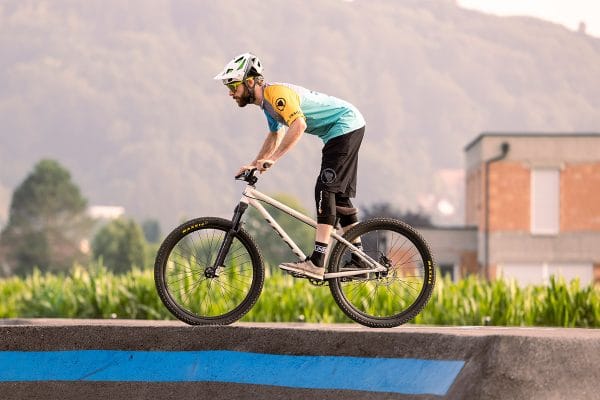
Get Your Basic Bike Position Right
- Keep your pedals level
- Place your feet fully on the pedals
- Keep your legs nearly straight, with a slight bend in your knees
- Engage your core and lean your upper body slightly forward
- Keep your hands relaxed on the handlebars
- Turn your elbows slightly outward
- Wrap your thumb under the handlebars
- Keep a finger on the brake
- Look ahead, not down
Understanding the Basics
Now that we’ve covered the key points, let’s take a closer look at why each one matters and how it supports better riding.
1. Keep Your Pedals Level
Keeping your pedals level helps create a stable riding position and supports better core engagement. It also reduces the chance of your pedals catching on the track.
For foot placement, many riders feel more comfortable with their dominant foot forward. If you’ve tried skateboarding or snowboarding, think about which foot you naturally place in front; that same position often works well here.
2. Place Your Feet Fully on the Pedals
Standing firmly on the pedals helps improve both control and stability. Placing more of your foot on the pedal allows for better grip and more efficient transfer of movement through the bike.
A helpful guideline is to position the ball of your foot near the center of the pedal and keep your heels slightly lowered. This can help improve balance and keep your feet securely in place.
3. Keep Your Legs Nearly Straight with a Slight Bend
Starting with a more extended leg position can help create stability and support controlled movement on the track. From there, keeping a slight bend in your knees allows you to absorb movement and maintain balance.
This combination supports a steady riding position while still allowing enough flexibility to respond to the track.
4. Engage Your Core and Lean Slightly Forward
A stable upper body helps improve control and reduces unnecessary pressure on your hands. Engaging your core allows you to transfer movement more effectively through the bike, which can improve grip and smooth out your ride.
Try to keep your back in a neutral position, avoiding excessive arching or rounding. It can also help to think about staying centered over the bike, with your weight evenly balanced to maintain control.

5. Keep Your Hands Relaxed on the Handlebars
When it comes to controlling your bike, your hands play a crucial role. However, they should not be used to stabilize your body. Instead, loosen your grip and allow for more natural steering. This will allow you to move more freely on your bike while improving your overall control.
6. Turn Your Elbows Slightly Outward
Positioning your elbows slightly outward can improve stability and allow better movement through turns. This position helps control the bike more efficiently and can make cornering feel more fluid.
7. Keep Your Thumb Under the Handlebars
Wrapping your thumb under the handlebar helps maintain a secure grip and reduces the chance of your hands slipping forward. This small adjustment can make a noticeable difference in maintaining control while riding.
8. Keep a Finger on the Brake
Keeping one finger on the brake lever allows for quicker response when needed. At the same time, it still leaves enough grip on the handlebars to maintain control and stability.
9. Look Ahead
Looking ahead helps you anticipate what’s coming next on the track. This allows for smoother reactions and better control when navigating turns, rollers, and terrain changes. It can also support better posture by encouraging a more upright and balanced position.

Practice: How to Get Started
To get comfortable with the basic riding position, start by practicing in a stable setting, such as next to a wall or with someone holding the bike, then gradually progress from standing still to rolling on a flat surface as your confidence improves. Once you feel ready, bring these skills to the pump track and begin applying them in motion, focusing on balance and control as you navigate the track’s features. If you’d like to continue building your skills, stay tuned for the next article, where we’ll explore more advanced pump track techniques.
Pump Tracks: Safe and Fun for All Wheeled Sports
Pump tracks are not just for bike riders. They offer a fun and safe way to build skills on a wide range of wheeled equipment.If you don’t have a pump track nearby, we’re here to help.
Contact us to explore options and create a space that fits your community.