7 Steps to a Successful Pump Track: A Practical Guide
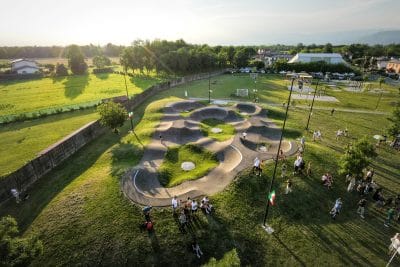
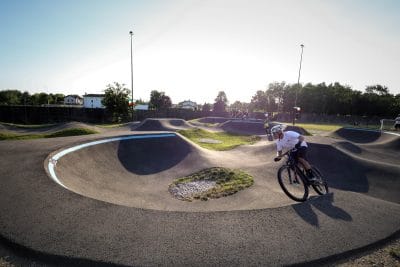
More communities and cities across the country are choosing to build pump tracks, and if you have ever attended a grand opening, it is easy to see why. These dynamic riding facilities attract riders of all ages and quickly become active community gathering spaces.
So what does it take to bring a successful pump track project to life? It comes down to thoughtful planning, clear goals, and careful execution. In this guide, we outline seven essential steps to designing and building a pump track that delivers long-term value. Our experienced team is ready to support you through every phase of the process.


1. Getting Started
If you believe a pump track is the right addition for your community, the planning process begins with a few key questions. Who will use the track? Is there a clear demand? Which locations could realistically support the project?
Identifying Your Users
Who is the track primarily designed for: children, teens, adults, families, beginners, or advanced riders? Defining your core users directly impacts the facility’s design, size, features, and overall budget. A beginner-friendly neighborhood track will look very different from a larger regional facility built to challenge experienced riders.
Choosing the Right Location
Selecting the right site is critical to the project’s long-term success. While there is no universal formula, the following factors consistently contribute to a well-used and successful pump track:
- Low Traffic: Ideally, your future pump track should be located in a traffic-calmed area. This enhances the natural experience and recreational value, both of which motivate many people to ride pump tracks, as discussed in this blog article.
- Accessibility: The site should be easily accessible by bike or on foot. Proximity to neighborhoods, schools, bike paths, and public transportation is especially important.
- Infrastructure: Access to parking, water, and electrical connections simplifies construction and ongoing use.
- Size: Space requirements vary depending on the type of pump track. Public tracks typically require between approximately 5,000 and 21,500 square feet. Be sure to allow adequate space for safety zones and supporting amenities such as seating and restrooms. Flat or gently sloped terrain, ideally with a grade less than 4%, is preferred.


2. Feasibility & Budget
Once the initial questions are answered, the next step is evaluating the project in more detail. This includes reviewing the site and establishing a realistic budget that accounts for construction, maintenance, and potential funding sources.
Approximate Costs
The cost of a pump track varies depending on size, materials, and site conditions. Simple asphalt pump tracks may start around $100,000, while medium-sized tracks often require at least $250,000, and larger facilities with multiple pump tracks can exceed $400,000.
Funding Opportunities
In addition to your community’s allocated budget, various organizations may offer grant funding. State, federal, or recreation-based grants may be available. Foundations and local or national sponsors can also financially support the project.

3. Legal Approval
Bringing a project to life requires broad approval. This phase focuses on meeting local requirements and securing the necessary permits.
Streamline Your Permits
You will need to address all legal requirements by securing permits in accordance with local regulations, your community’s size, and the project’s specific details. These may include:
- Building permits: Often required for construction work.
- Environmental permits: Especially important if the site is near water bodies or sensitive ecosystems.
- Earthwork permits: Needed for any significant ground disturbance.
- Special activity permits: Depending on the type and purpose of the facility.
To navigate this process efficiently, it’s important to connect with your local planning and environmental departments early on. Our team can support you by preparing the detailed plans and documentation required for these applications, helping ensure a smoother path toward approval.
4. Planning & Designing
At this stage, you’ll work with experienced designers and builders who specialize in pump track projects. This phase focuses on defining the track type, selecting materials, and planning the overall layout. Our team of experts will guide and support you professionally throughout the entire process.
Key Design Considerations
- Safety: Safety is a top priority throughout all phases of planning and construction. This includes buffer zones, clear sightlines, safe entrances and exits, adherence to safety standards, and clear signage. Read more about this in our blog post, “Pump Tracks & Safety.”
- Pump Track Type: From kids’ tracks to versatile all-around and jump lines, choosing the right design depends on your community’s needs. Our blog posts provide an overview of possible pump track types.
- Material: We recommend asphalt pump track facilities because, unlike dirt tracks, asphalt is durable, low-maintenance, weather-resistant, and suitable for all wheel types.

5. Construction Phase
To successfully build a pump track, having the right team and construction techniques is essential. Depending on the size of the pump track, the construction timeline can range from a few weeks to one or two months. The following topics are especially important during the construction phase:
Environment & Sustainability: Minimizing impervious surfaces and incorporating natural design elements are key to creating sustainable pump tracks. Ideally, existing green spaces on the site can be preserved and integrated into the overall design of the pump track facility.
Construction Supervision: Whether managed by a building authority or an external project manager, the pump track construction should be continuously monitored. Alliance supervises the entire construction process to help ensure the project runs smoothly.
Safety & Standards: Ensure quality controls (e.g., dimensions and surface smoothness) and safety protocols are followed throughout construction. We are happy to provide more information upon request.

6. Opening & Operation
Is the pump track finished? Pop the champagne and invite as many people as possible! Opening events are a great way to generate excitement around the new pump track and promote it beyond your community. The case stories on the Alliance blog highlight many examples in which opening celebrations contributed to a pump track’s success. Remember to recognize sponsors and invite all potential stakeholder groups.
Maintenance
For the pump track to remain popular long after opening day, it’s important to plan for maintenance from the start. Who will be responsible for ongoing tasks? Possible partners include the city’s parks or maintenance department, a local cycling or sports club, or volunteers. One advantage of choosing an asphalt pump track is that it is durable and easy to maintain. Contact us, and Alliance will provide you with a maintenance guide.
Clearly Communicate Rules
To ensure safe operation, clear rules are just as important as proper maintenance. An information board helps provide guidance and ensures that even newcomers feel comfortable using the pump track.

7. Evaluation
To ensure your pump track remains a long-term success, we recommend continuously monitoring its use. It is equally valuable to speak directly with users and create a way for people to share feedback. This helps ensure that community members continue enjoying the pump track for years to come and that the investment truly pays off.

Let’s Get You Started
A well-designed pump track supports active recreation and helps riders build skills on bikes, scooters, and skateboards. It can also contribute to safer riding and bring people together.
Ready to get started? Use this guide as a starting point, involve your community, and connect with experienced partners like Alliance. We offer support throughout the process, from planning to construction. Contact us today to learn more.