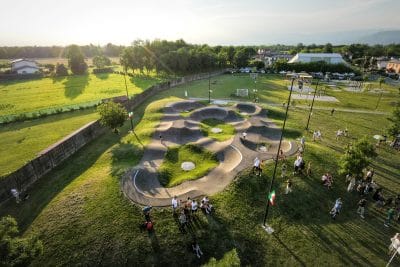
Cities with Pump Tracks Support Better Bike Skills
This statement from the Swiss police offers an interesting perspective: “Communities with pump tracks have better cyclists.” It raises an important question: what defines a strong rider? It’s not just someone who can ride a bike, but someone who has developed additional skills and feels confident and in control.
More and more cities are working to promote cycling, active mobility, and healthier lifestyles. One effective way to support these goals is by providing a safe place where people can practice and improve their riding skills. Pump tracks offer a practical and accessible solution.
A pump track creates a controlled and engaging environment where children, youth, and adults can build balance, confidence, and bike-handling skills. As those skills develop, people may feel more comfortable choosing a bike for everyday transportation or recreation.
Why Cycling Skills Matter for Cities
Encouraging cycling involves more than just building bike lanes. It also requires helping people feel safe and confident on a bike. Many children and adults may be less likely to ride if they lack experience or don’t feel comfortable navigating traffic.
A pump track can help fill that gap by providing a space where people can learn, practice, and build confidence before riding on streets or shared pathways.
Stronger bike skills can support:
- More active children and families
- Increased use of local bike routes
- Improved safety and fewer accidents
- Greater confidence among new riders
- A healthier, more active community
Cities that invest in cycling benefit from spaces that support skill development and confidence building, and pump tracks can play a key role in that effort.
How Pump Tracks Support Skill Development
They Build Balance and Coordination
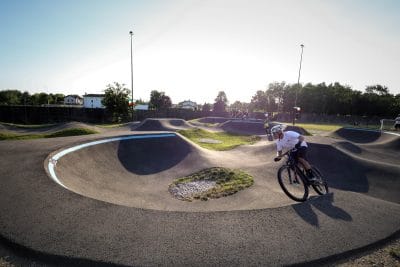
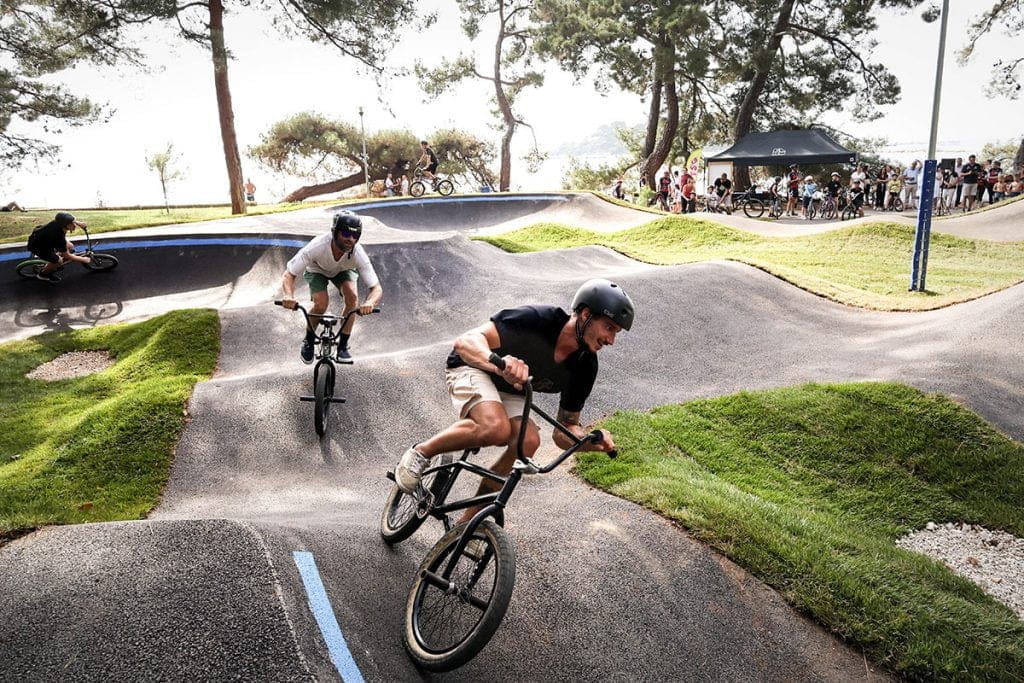
The design of a pump track, including its rollers, turns, and rhythm, helps riders develop balance, coordination, and overall bike handling. These are important skills for everyday cycling.
They Provide a Safe Space to Learn
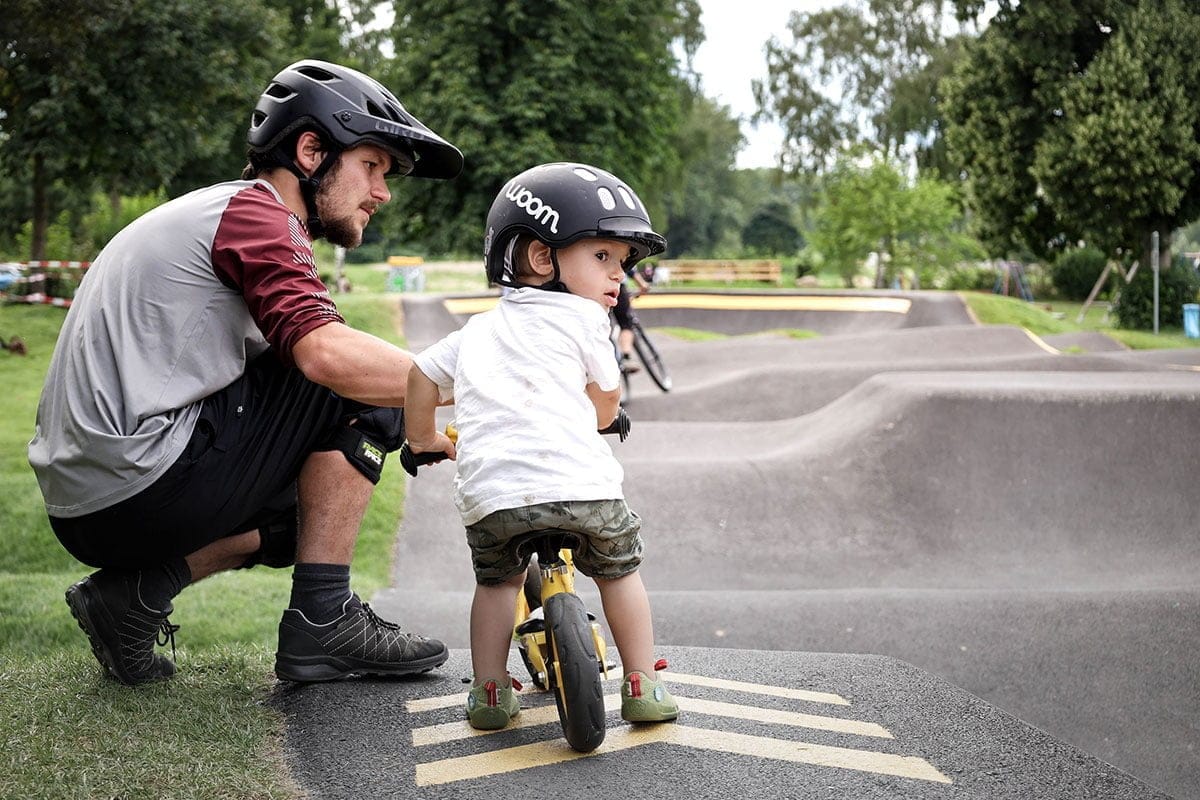
For beginners, riding in traffic or busy public spaces can feel challenging. A pump track offers a dedicated, car-free environment where new riders can practice and progress at their own pace.
They Encourage Repetition Through Engagement
Because pump tracks are engaging to ride, users tend to practice more frequently and for longer periods. This supports skill development over time, especially for younger riders.
They Support a Variety of Wheeled Users
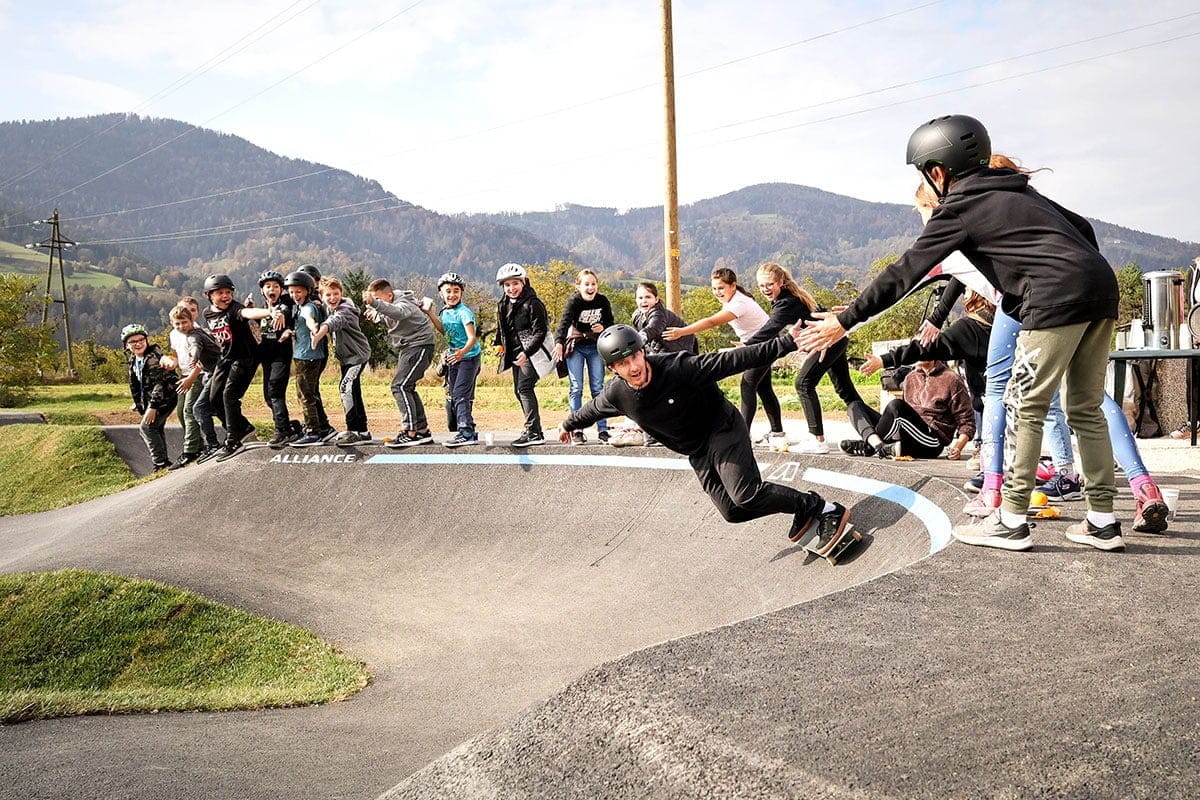
Pump tracks are designed for more than just bikes. Scooters, balance bikes, skateboards, wheelchairs, and adaptive bikes can all use the space, making it accessible to a wide range of users.
They Help Develop Real-World Riding Skills
Skills such as cornering, braking, speed control, line choice, and handling varied terrain can all be practiced on a pump track. These skills can translate to more confident riding in everyday environments.

Why Cities Benefit from Skill-Building Pump Tracks
A pump track is more than a recreational feature. It can also support public health and mobility goals.
Key benefits include:
- More confident young riders are entering shared streets and pathways
- Improved safety through stronger bike-handling skills
- Increased participation in cycling and active transportation programs
- A popular, low-maintenance recreational space
- Stronger community engagement
- Support for long-term mobility and sustainability goals
Because pump tracks are durable and require minimal maintenance, they can provide long-term value while supporting both recreation and transportation initiatives.
From Better Riders to Stronger Communities
Developing cycling skills can support safer streets, healthier residents, and more active communities. By providing a fun and inclusive place to practice, pump tracks help build confident riders and encourage long-term participation in cycling.
Ready to Support a More Active Community?
We design pump tracks that support skill development, active mobility, and community wellbeing. Contact us today to explore pump track options or request a tailored proposal for your city.
*Source: International Association for Sports and Leisure Facilities (IAKS) Conference: https://iaks.sport/news/denmark-leading-way-active-living at the presentation “The importance of physical activity opportunities for outdoor physical activity” (Bjarne Ibsen, Professor at Centre for Sports, Health and Civil Society, University of Southern Denmark)