What Is a Pump Track?
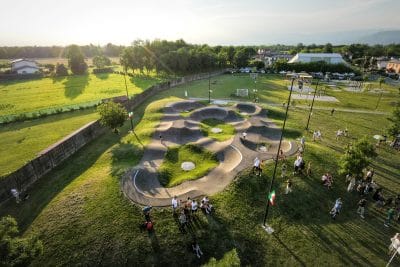
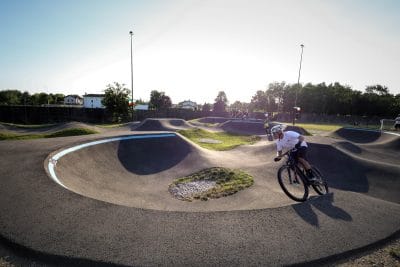
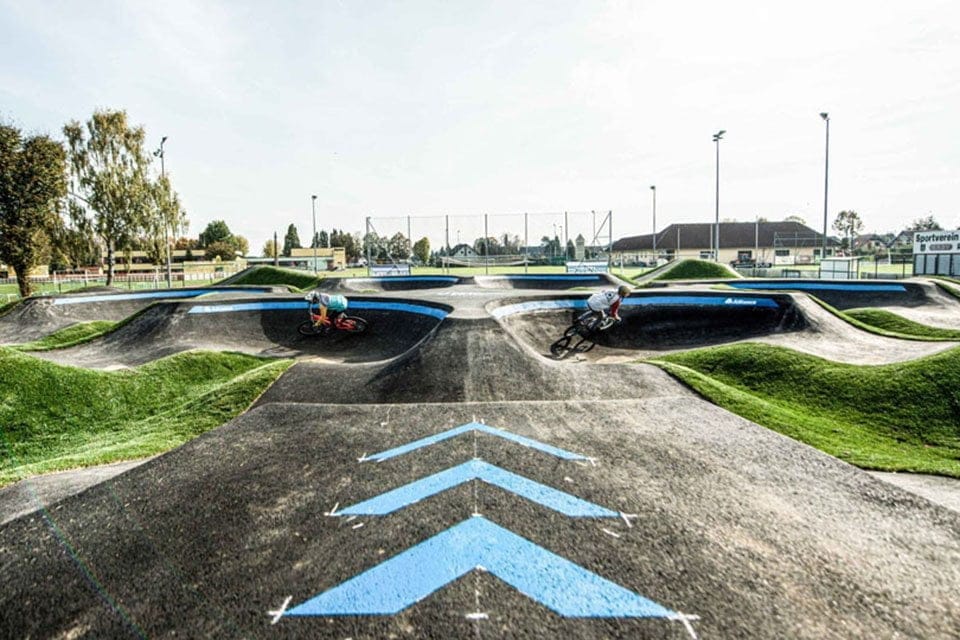
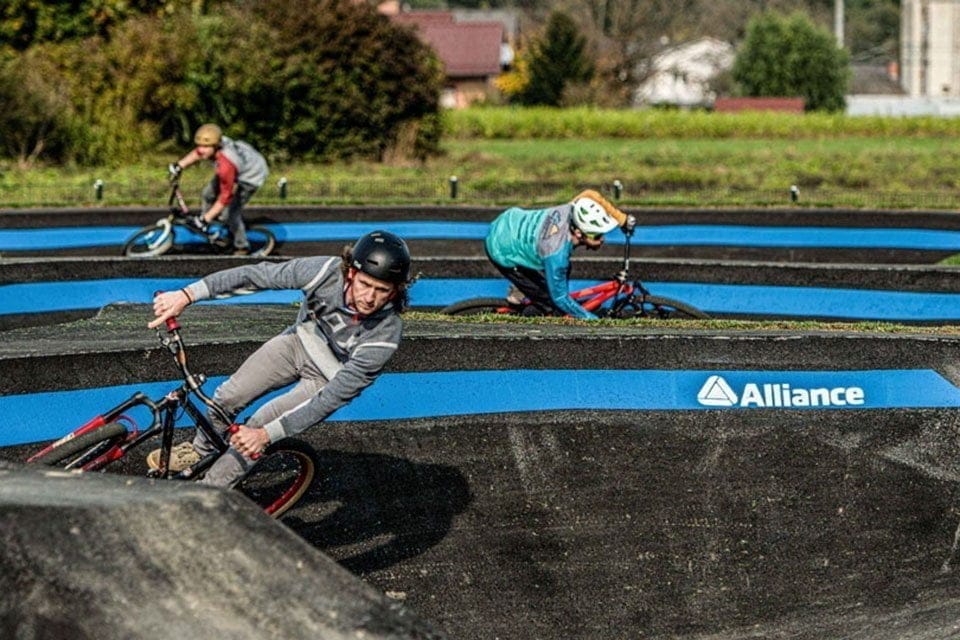
A pump track is a continuous loop of rollers, berms, and smooth transitions designed for riding without pedaling. Riders generate momentum by shifting their body weight as they move through the rises and dips. The result is a dynamic, fast-paced ride that is fun, engaging, and accessible to almost anyone.
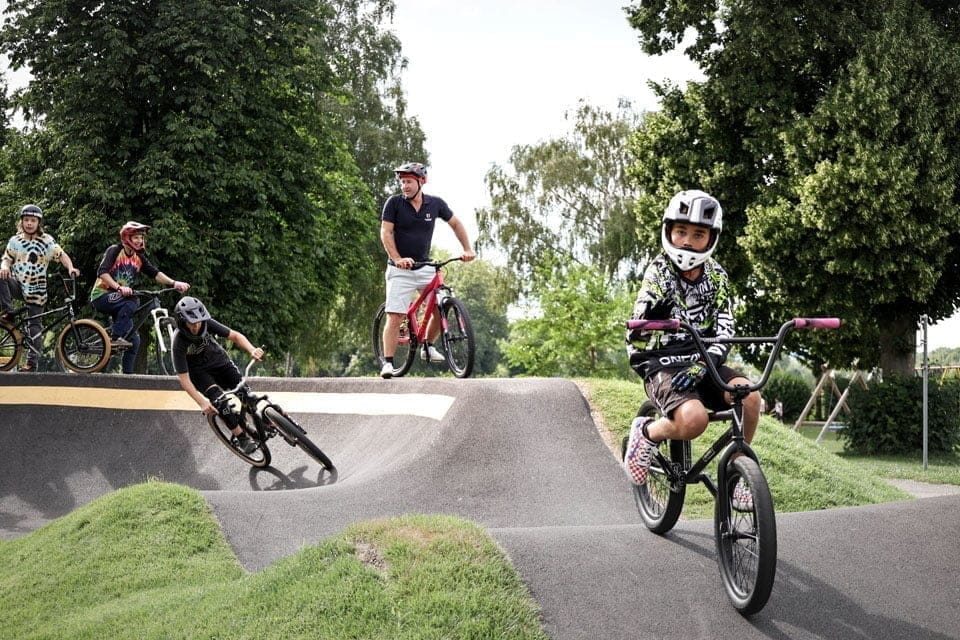
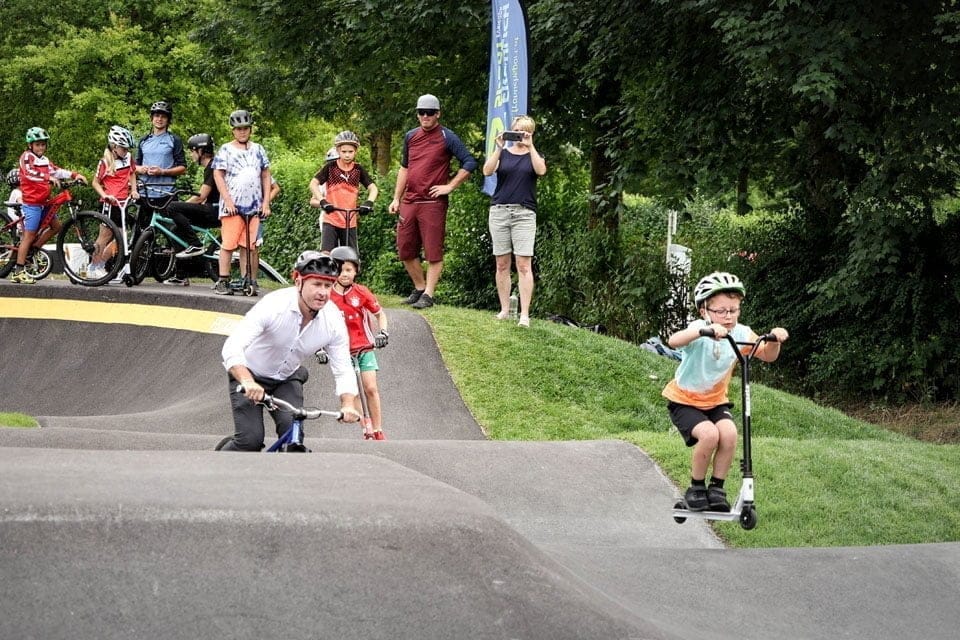
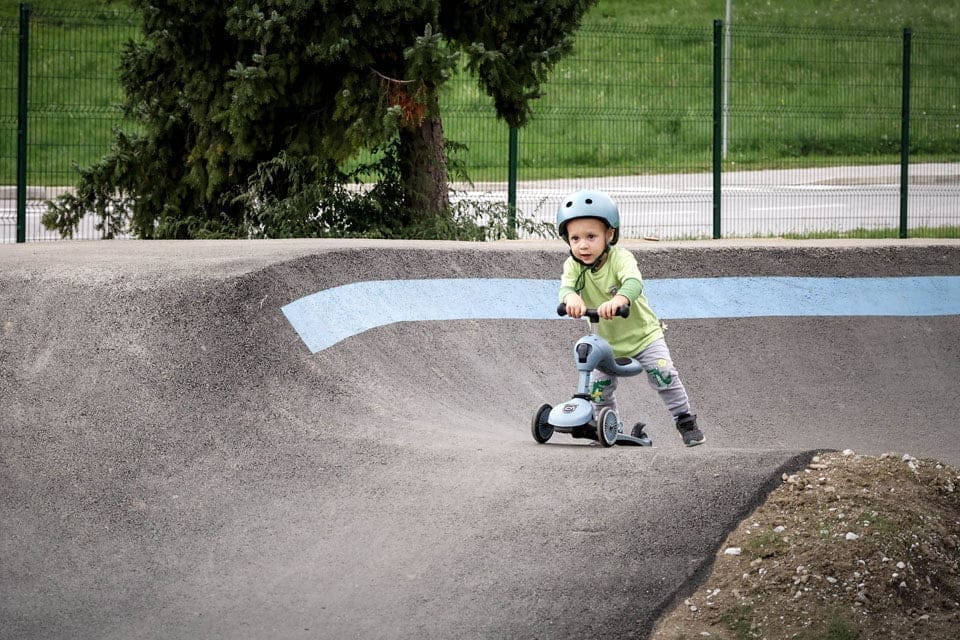
More than just a bike track, a pump track often becomes a true community hub. You’ll see toddlers on balance bikes, kids on scooters, skateboarders, and experienced riders all sharing the same space. It’s a place where people of all ages and wheel types come together.
What Makes a Pump Track Special?
- Designed for All Wheels – Designed for bikes, skateboards, scooters, and skates.
- Outdoor Recreation for All Ages – Encourages movement and skill development for riders of all ages.
- Built-In Fitness Benefits – Improves balance, coordination, posture, and overall body control.
- A Natural Community Hub – A natural gathering place for riders, families, and friends.
- Low Maintenance – When built properly, pump tracks are durable, permanent facilities that require minimal upkeep.
A Brief History: From Dirt to Asphalt
The Evolution of Pump Tracks
Pump tracks began decades ago, inspired by BMX culture and early skatepark snake runs. Initially, they were built with dirt. They were low-cost, easy to construct, and primarily used by cyclists. However, dirt tracks had drawbacks because they were weather-dependent and required frequent upkeep.
Later, concrete became more common. It was more durable but also more expensive to build. The real breakthrough came with asphalt pump tracks, which offer durability, smooth riding surfaces, and versatility for a wide range of wheeled users. Asphalt tracks are now widely used worldwide.
Thanks to their affordability and all-weather usability, asphalt pump tracks have sparked a global boom, with many communities installing them as urban-friendly, inclusive recreational spaces.
How Pump Tracks Benefit Riders and Communities
Fitness, Skill, and Fun
Riding a pump track is more than recreation. As riders move through the track, they build balance, coordination, core strength, and control. For kids, it offers a safe introduction to wheeled sports, while adults enjoy a fun way to stay active.
Inclusive and Versatile
From young children on scooters to teenagers on skateboards and adults on mountain bikes, pump tracks are designed to welcome everyone. Their layout accommodates a range of wheel types and skill levels, creating a shared space for riders of all abilities.
Community and Urban Value
Pump tracks often become community anchors. They bring neighbors together, encourage outdoor activity, and add meaningful recreational value to parks and urban spaces. They are especially well-suited for cities or towns with limited space.
Low Maintenance, Long Lasting Infrastructure
When built properly, especially with asphalt, pump tracks are durable and require minimal maintenance. This makes them a cost-effective, long-term investment for municipalities and community organizations.
From Dirt to Asphalt: The Evolution of Pump Track Materials
Dirt pump tracks were the original starting point. They were affordable and relatively easy to build, but they required frequent maintenance and were primarily suited for bikes. As demand grew, communities began exploring more durable options.
Concrete tracks followed. While they offered improved longevity, they were expensive and complex to construct. Modular tracks, made from wood, metal, or other materials, also emerged. These are often used for temporary installations or events, but they typically do not provide the same riding experience as permanent tracks.
Asphalt pump tracks eventually became the preferred solution. They are more cost-effective than concrete, offer a wide range of design options, and require minimal maintenance over time. They also accommodate nearly all types of wheeled users. For these reasons, asphalt pump tracks have become the most common choice worldwide.To learn more about different types of asphalt pump tracks, including their advantages and limitations, explore the related articles.

Design & Construction: How Pump Tracks Are Built
Behind every great pump track is a well-planned construction process.
- Preparing the site – The first step is to clear the area, remove topsoil, and install a compacted stone base. Proper drainage is designed to prevent water from pooling and to protect the track in the long term.
- Shaping the track – After the base is prepared, specialized equipment and skilled crews sculpt rollers, berms, and transitions in accordance with the engineered layout. Precision during this phase is essential to achieving consistent flow, safety, and ride quality.
- Applying the surface – Once the shaping phase is complete, the riding surface is installed. For asphalt pump tracks, a frost-resistant layer is laid over the prepared base, creating a smooth, durable surface that delivers long-term performance and consistent ride quality.
- Finishing details – In the final stage, landscaping and protective elements are completed. Track edges are stabilized, often with grass or other vegetation, to prevent erosion. Drainage systems are finalized to manage runoff effectively and protect the structure over time.
Dirt tracks can be built more quickly and at a lower initial cost, but they require regular maintenance and are highly weather-dependent.
Concrete tracks involve a more complex construction process, including formwork and shotcrete application, which increases cost and build time compared to asphalt.

Safety, Competition, and Growing Recognition
While pump tracks feature rollers and banked curves, they are carefully designed to ensure a safe riding environment. Their controlled, predictable surface supports riders of all ages and skill levels. When properly built, pump tracks meet established safety and playground standards, and certified asphalt tracks often comply with regional requirements for public recreation and sports facilities.
Pump track riding is also gaining recognition as an organized competitive sport. As the discipline grows and track designs become more standardized, riders compete in head-to-head and time trial formats. The international governing body for cycling, the Union Cycliste Internationale, now officially recognizes pump track racing, opening the door to national and international competitions.
To learn more about pump track safety, explore our article Pump Tracks and Safety.
Why Communities Are Choosing Pump Tracks
Pump tracks combine fun, fitness, skill development, and community connection in one compact space. They are inclusive and welcoming to riders of all ages and skill levels, while remaining accessible, low-maintenance, and well-suited for urban environments.
Whether you are planning a public park, school campus, community center, or private facility, a well-designed pump track can deliver long-term recreational value. It creates opportunities for active play, supports healthy lifestyles, and strengthens community engagement.
If your community is exploring a new recreational investment, our team can help you plan, design, and build a pump track that aligns with your goals. Contact us to learn how to get started.