Why Pump Tracks Are One of the Smartest Public Investments in Active Communities
Today’s municipalities face a familiar challenge: how to create high-quality public spaces while managing limited budgets, rising construction costs, and growing expectations around health, inclusion, and sustainability.
Traditional sports facilities often require high upfront investment and long-term operational funding — yet they frequently serve only a limited group of users. This is why more communities are turning to pump tracks.
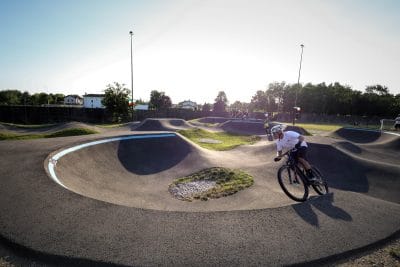
As explored in our article Why Everyone’s Talking About Pump Tracks, these facilities have become a practical, modern solution for cities looking to create active, attractive, and financially sustainable public spaces: They are open, inclusive, and designed for everyday use — delivering long-term value with minimal operational burden.
Flexible Infrastructure for Changing Community Needs
Public investment in sport and recreation is changing.
Local authorities are moving away from single-purpose, high-maintenance facilities and towards infrastructure that is:
- Flexible
- Inclusive
- Cost-efficient
- Resilient over time
Participation patterns are evolving, especially among young people. Preventive health is becoming a priority. Residents are looking for simple ways to stay active close to home.
In this context, decision-makers are asking new questions:
Will people actually use this facility every day?
Can it serve different age groups?
Is it affordable in the long run?
Does it support wider community goals?
Pump tracks answer “yes” to all of the above.
High Usage Through Open Access Design
One of the greatest strengths of pump tracks is their simplicity.
They are free to use, open to everyone, and require no bookings, memberships, or supervision. Riders can stop by for five minutes or stay for an hour — whenever it suits them.
This ease of access turns pump tracks into everyday destinations rather than occasional attractions.
Designed for Many Users, Not Just One
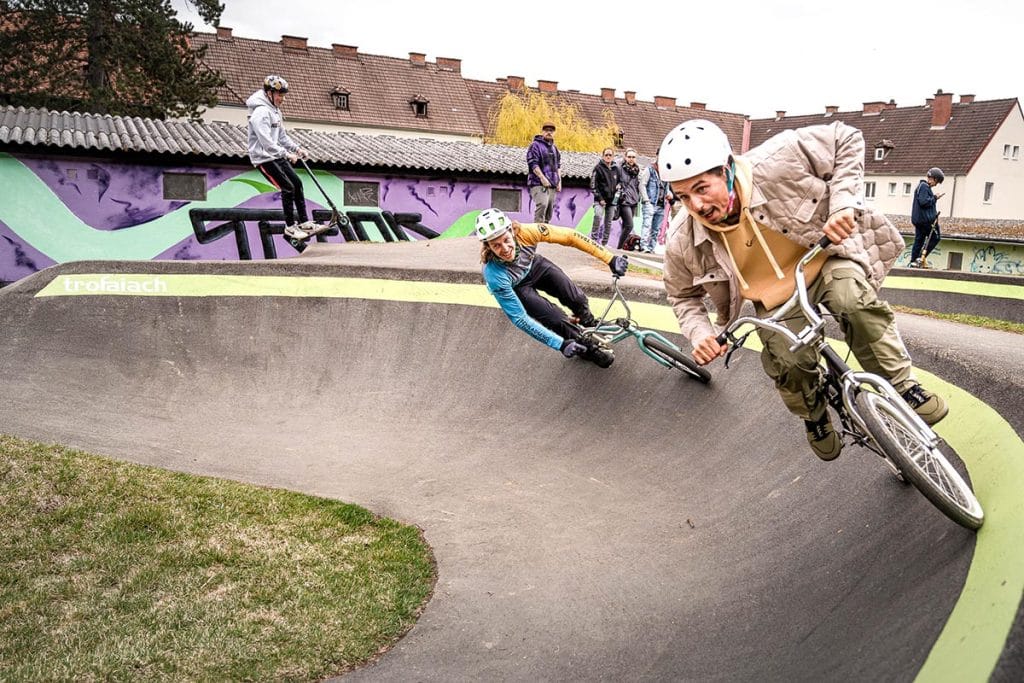
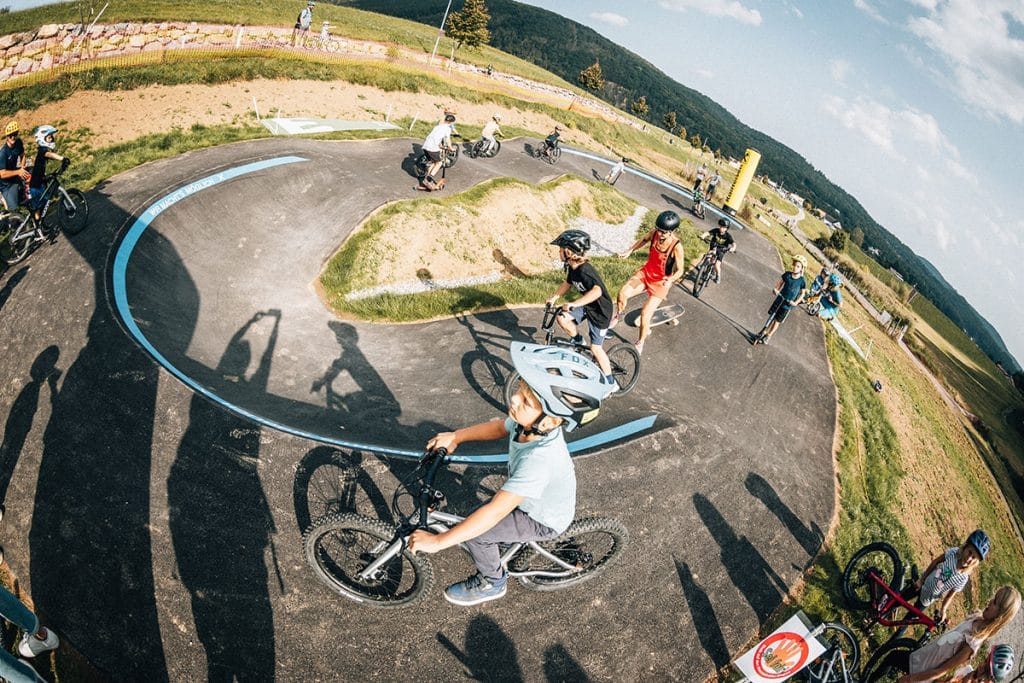
Well-designed pump tracks naturally bring different people together:
- Children learning their first skills
- Teenagers building confidence
- Adults riding for fitness
- Families spending time outdoors
- Adaptive riders using specialised equipment
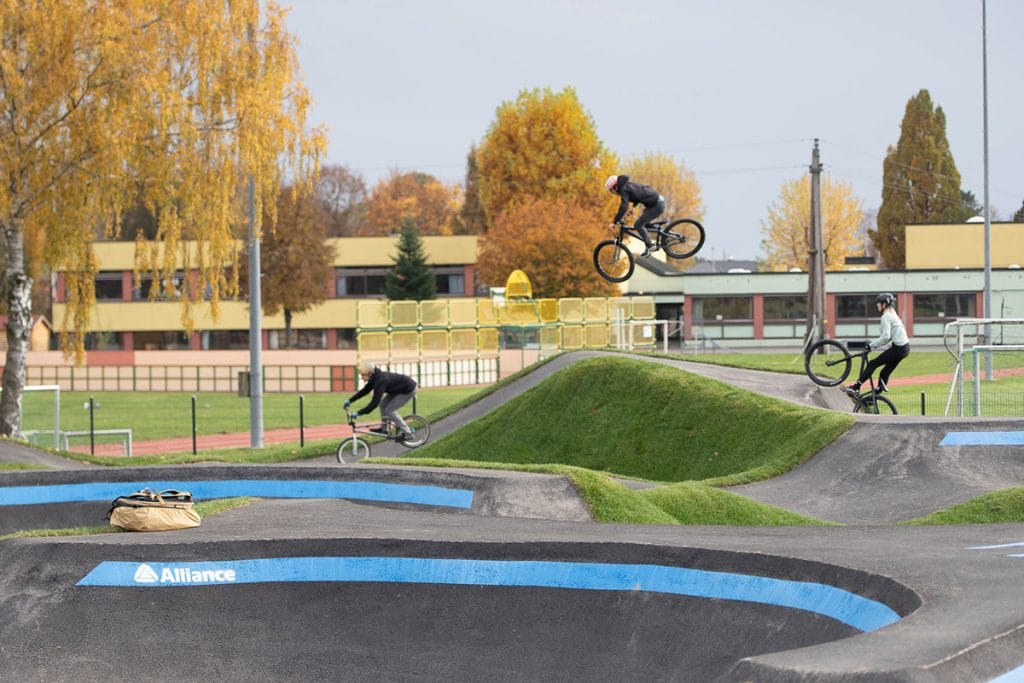
Bikes, scooters, skateboards, and balance bikes all share the same space safely.
Our guide 7 Steps to a Successful Pump Track, explains how thoughtful planning and design make this possible.

Cost-Effective Construction and Long-Term Value
Compared to indoor sports halls, swimming pools, or stadiums, pump tracks are refreshingly straightforward.
They typically require:
- Smaller sites
- Simpler construction
- Shorter delivery timelines
- No mechanical systems
This keeps construction budgets manageable and transparent.
Built to Last
Modern pump tracks are engineered for durability. With quality materials and professional construction, they can serve communities for decades. Because they are used daily by a wide range of residents, their cost per active user remains very low over time — often outperforming traditional facilities in long-term value. For municipalities, this means strong returns with limited financial risk.
Supporting Physical and Mental Wellbeing
Pump tracks naturally encourage movement.
Each lap builds fitness, balance, coordination, and strength. Riders generate physical activity without even thinking about it — simply by enjoying the ride.
As highlighted in Pump Tracks: For That Extra Bit of Exercise, these short, repeatable sessions make a real difference to everyday health.
Engaging Young People Outdoors
At a time when sedentary lifestyles are becoming more common, pump tracks offer an attractive alternative. They combine physical activity with skill progression, creativity, and social interaction — without pressure or formal structure. Young people return again and again because they want to, not because they have to.
Supporting Mental Wellbeing
Outdoor activity, achievable challenges, and positive social environments all contribute to improved confidence and focus. Pump tracks provide a space where users of all ages can relax, recharge, and connect.
Promoting Equity and Social Inclusion
Because pump tracks are free, they remove financial barriers to participation.
There are no entry fees, subscriptions, or programme costs — everyone can take part.
Designed for Different Abilities
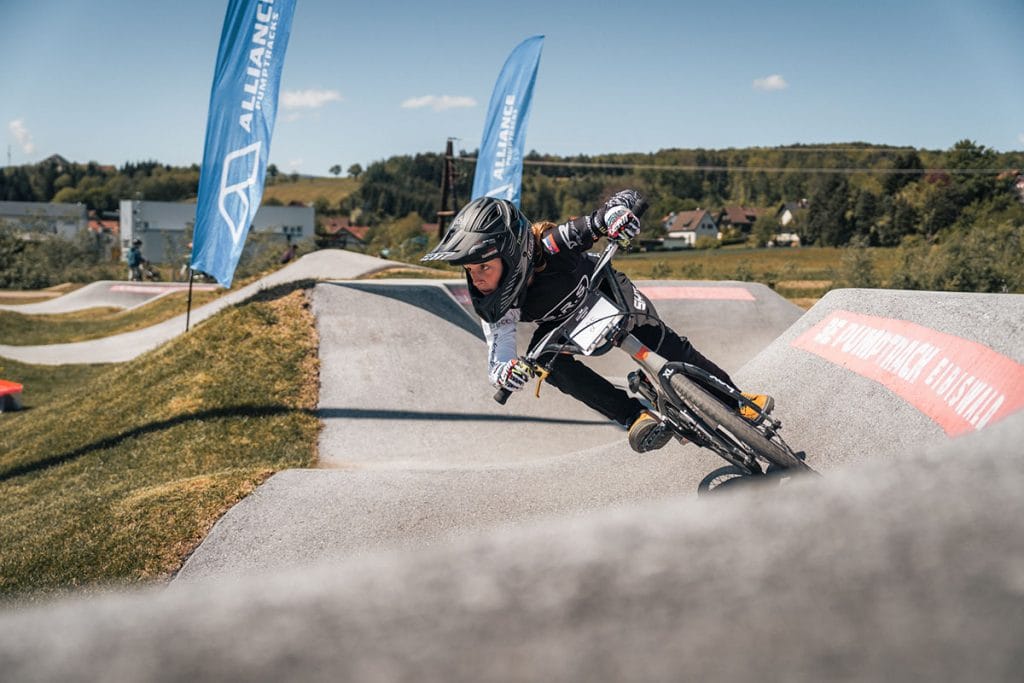
Progressive layouts allow users to choose their own level of challenge. Inclusive design principles make it possible to accommodate riders with varying mobility needs and adaptive equipment. Located in public parks and open spaces, pump tracks are typically accessible by foot, bike, or public transport, supporting equitable use across neighbourhoods.
Revitalising Parks and Public Spaces
Pump tracks do more than support physical activity — they transform places.
Underused areas become lively community hubs. Parks gain new energy. Families stay longer. Visitors return more often.
Real-world examples include:
In each case, the pump track helped strengthen community identity, improve safety through regular presence, and create a shared sense of pride.
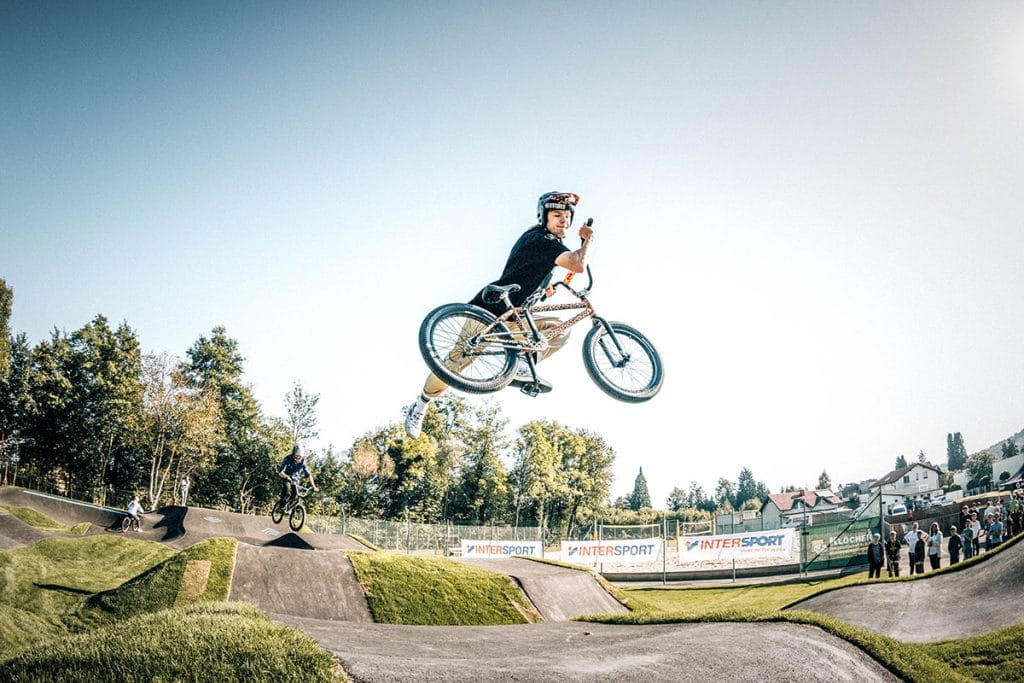
Low Maintenance and Predictable Operating Costs
From an operational perspective, pump tracks are highly efficient.
They require:
- No permanent staff
- No energy or water systems
- No complex management
Maintenance is usually limited to inspections, cleaning, and occasional minor repairs — tasks that can be integrated into existing park services. This makes long-term budgeting simple and predictable.
A Reliable Investment for Decision-Makers
Pump track projects tend to receive strong public support.
Families, schools, and youth organisations quickly recognise their benefits. Construction periods are short. Environmental and traffic impacts are low. For elected officials and planners, this combination creates a low-risk, high-visibility investment that delivers visible results quickly.
Key Considerations Before Investing
Successful projects begin with clear planning.
Before moving forward, municipalities should consider:
- Alignment with health and youth strategies
- Site visibility and accessibility
- Community consultation
- Long-term maintenance responsibilities
- Integration with wider park development plans
Addressing these questions early increases both project success and long-term value.
Conclusion: Building Long-Term Community Value
Pump tracks represent a modern approach to public sports infrastructure.
They are inclusive, durable, and financially sustainable. They encourage everyday movement, strengthen social connections, and activate public spaces.
Rather than functioning as isolated facilities, they become part of daily community life.
For municipalities seeking practical, future-proof investments with broad impact, well-designed pump tracks are long-term assets.
Plan Your Pump Track With Confidence
Alliance ASE supports municipalities and organisations through every stage of pump track development — from feasibility and site selection to design, construction, and long-term planning.
If you are considering a pump track project, explore our blog for practical guides and real-world examples, or contact our team to discuss how we can support your community objectives.