9 Sports, 1 Space: Why Multi-Sport Recreation Changes the Equation
One of the most common misconceptions about pump tracks is that they are built only for cyclists. In reality, a pump track is a shared riding space designed for a wide variety of wheeled sports. Understanding that changes how communities think about the value of the investment.
Activities Supported by a Pump Track
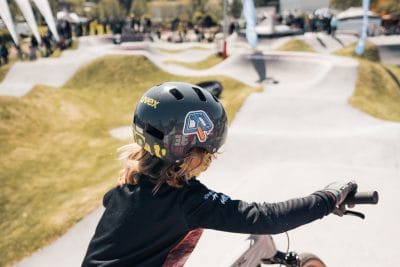
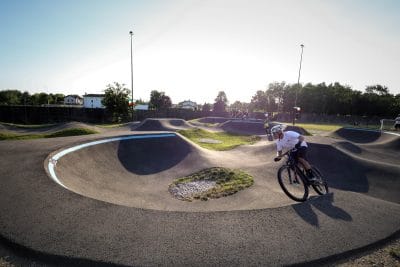
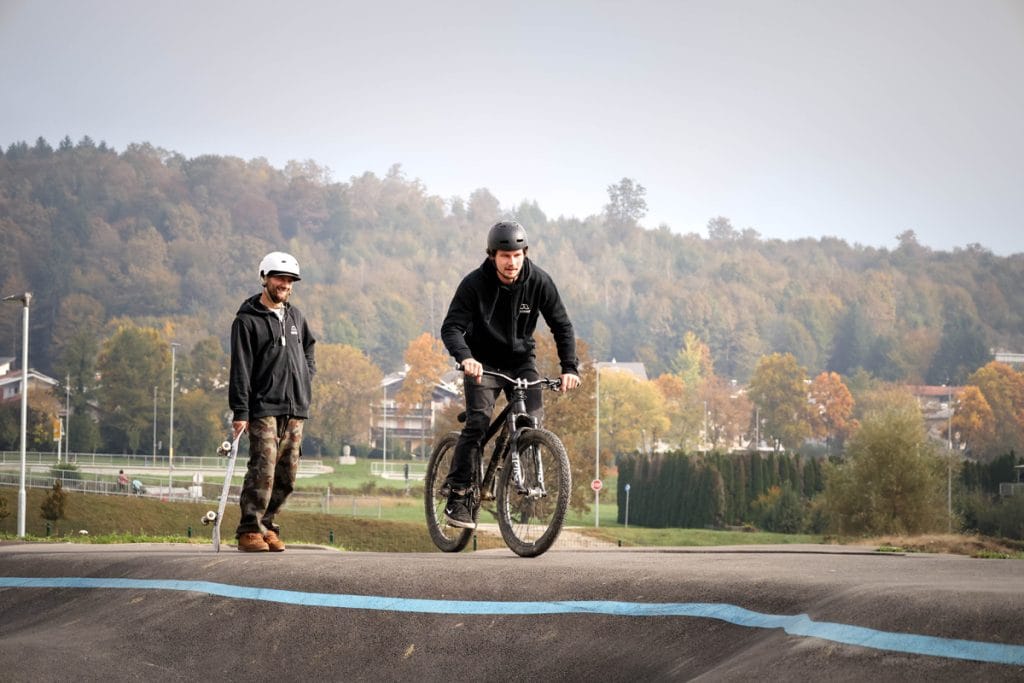
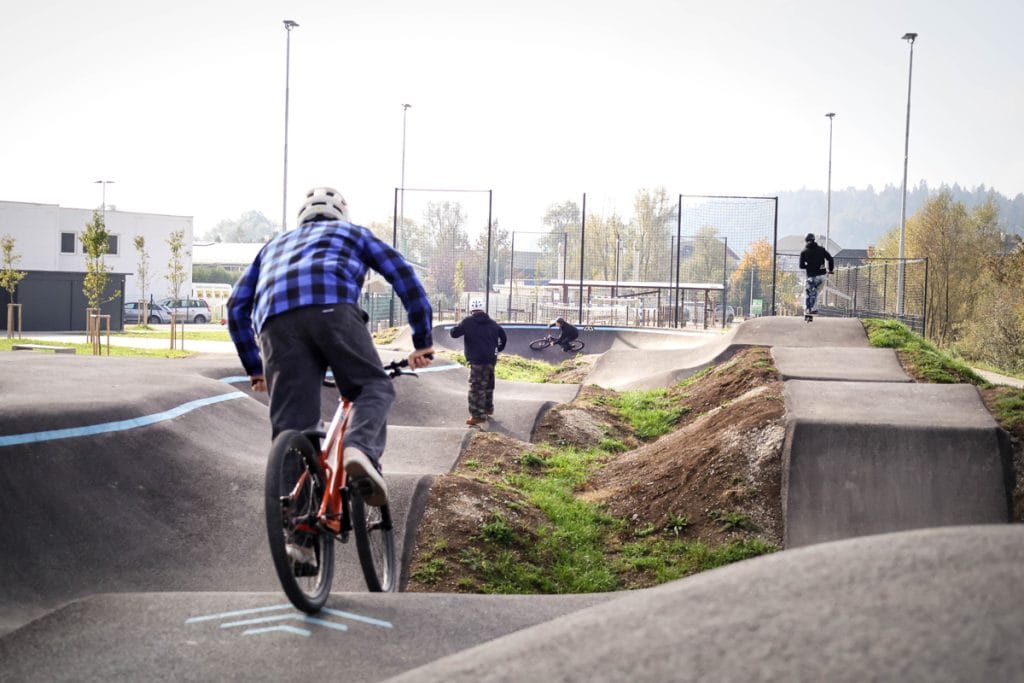
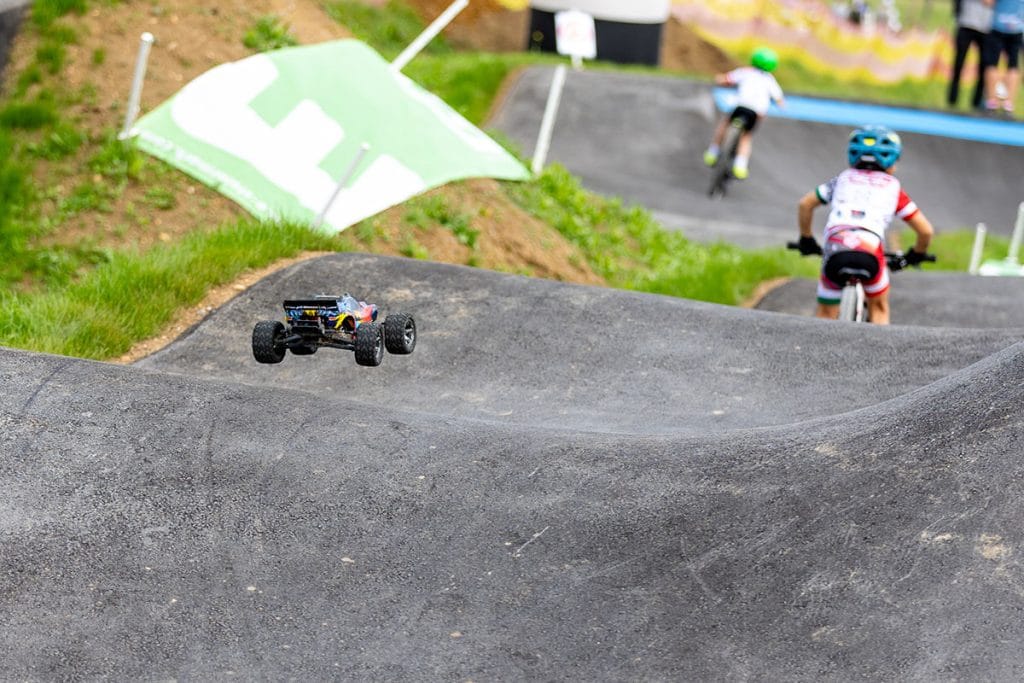
A well-designed pump track can support at least nine different wheeled users at the same time, without special scheduling, modifications, or separate facilities:
- Balance bikes — an entry point for young children learning coordination and confidence before pedaling
- BMX bikes — from casual riding to advanced and competitive training
- Mountain bikes — commonly used by trail riders to build handling and flow skills
- Road and gravel bikes — technique training for riders focused on efficiency and bike control
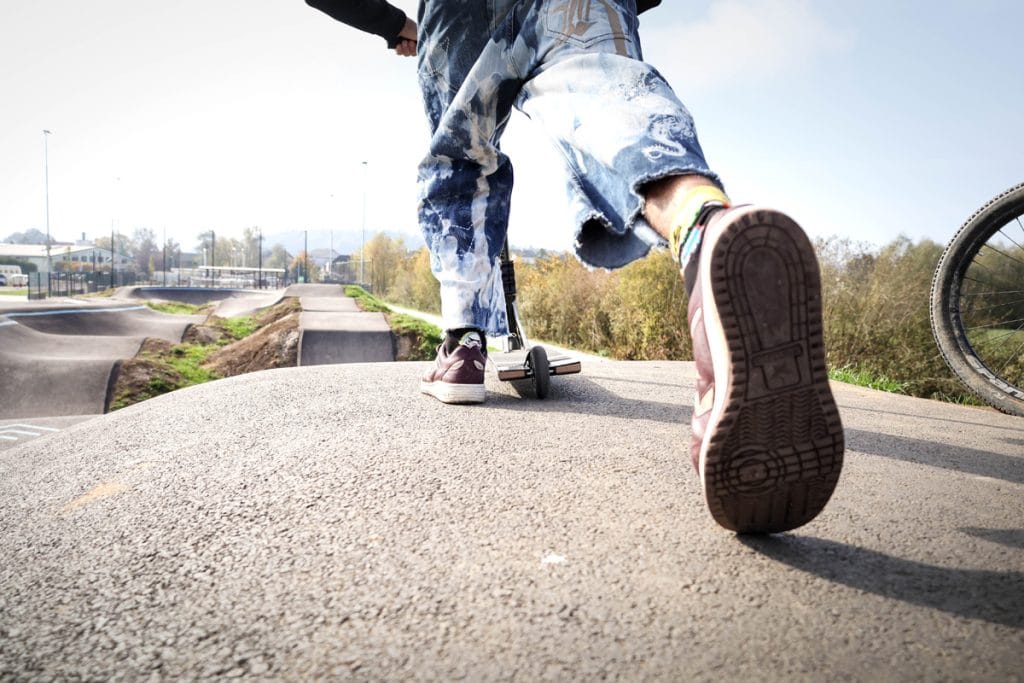
- Scooters — one of the most active user groups, especially among younger riders
- Skateboards — banked turns and transitions translate naturally to skateboarding fundamentals
- Inline skates and roller skates — skating styles that benefit from the same rollers and berms as bikes
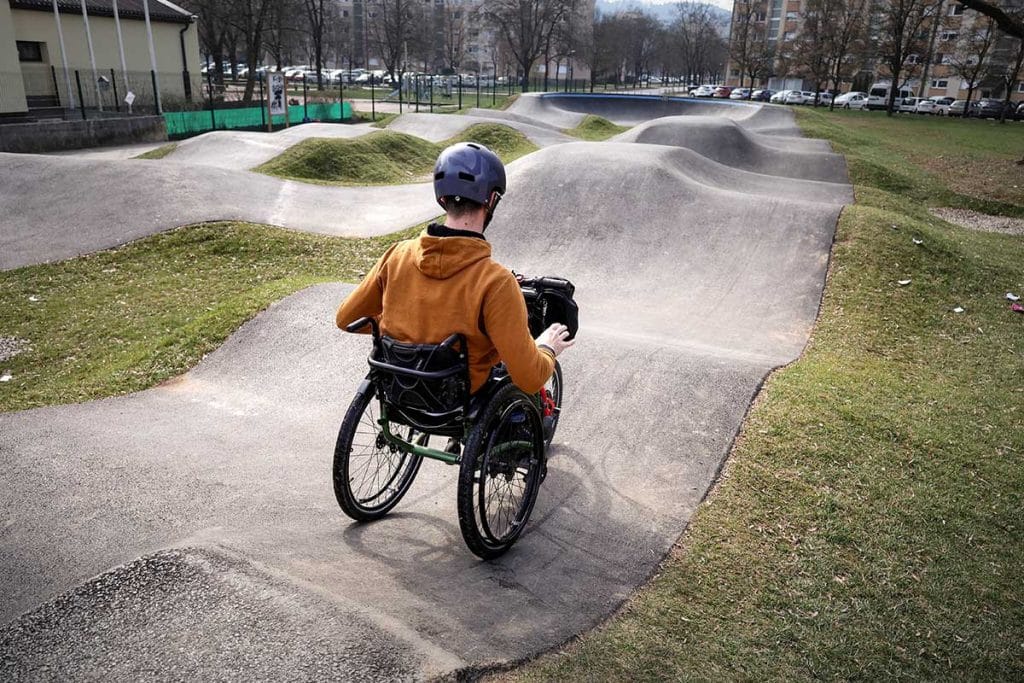
- Adaptive wheelchairs — accessible surfaces designed to accommodate power chairs and hand cycle riders
- Roller skis and ski training equipment — used by Nordic and alpine athletes for off-season conditioning and training
No scheduling required: Any wheeled user can share the track at the same time, from a six-year-old on a balance bike to a teenager on a BMX. With no reservations or dedicated sessions, the track is designed for continuous shared use.
The Cost Per User Comparison
Single-sport facilities are often expensive because they primarily serve a single user group. A baseball field serves baseball players, a tennis court serves tennis players, and a traditional skatepark mainly serves skaters, BMX riders, and scooter users. Each can be a valuable community investment, but each also reaches a more limited audience.
A pump track built for approximately €400,000 to €800,000 can serve multiple overlapping user groups simultaneously, spanning ages from toddlers to older adults. When communities look at long-term usage and cost per daily user, pump tracks compare extremely well within the recreation infrastructure category.
9+
Types of riders
Ages 2–70+
All ages ride together
€1,000–€3,000 / yr
Annual maintenance cost
What This Means for Parks Departments
For parks departments managing capital budgets, the multi-use value of a pump track matters in practical ways. Every new recreation project requires clear justification: who will use it, how often, and why it should be prioritized over other investments. A pump track answers those questions with an unusually broad range of users and activities.
It also addresses one of the most common concerns about action sports infrastructure: the idea that it serves only a narrow group of people. Unlike recreational spaces designed for a single activity, a pump track welcomes a wide range of riders, including adaptive wheelchair users, young children, and older adults returning to cycling.
Across more than 350 facilities in over 20 countries, Alliance ASE has consistently seen pump tracks reach user groups that parks departments did not initially expect, often becoming active community gathering spaces more quickly than traditional single-sport recreation projects.
The Scheduling Advantage
Traditional recreation facilities often require active scheduling and management, including field reservations, court bookings, league coordination, and maintenance closures. A pump track operates differently. When the park is open, the track is open. There are no reservations, no access management requirements, and no scheduling conflicts between user groups. The space is designed for continuous shared use throughout the day.
Want to understand how a pump track could serve your community?
Download our planning guide or request a free consultation to discuss your site and project goals.